

Eco Tech Electrical Contractors limited

Skip to content

Emergency lighting testing London · BS 5266

Emergency Lighting Testing in London

Professional emergency lighting testing for landlords, HMOs, offices, shops, warehouses and commercial premises. Clear records, reliable checks and practical appointments across London postcodes.

  • From £50.99
  • BS 5266 aligned
  • All-inclusive service
  • Digital certificate available
020 3633 5557

Clear fixed pricing · Qualified testing · No hidden charges

4.9
62 Reviews
google
Jan Du
Jan Du
5.0
16/10/2026
google
DG Family
DG Family
5.0
06/10/2026
google
Narojan Amirthalingam
5.0
29/09/2026
google
Foisal
Foisal
5.0
24/09/2026
google
fariba mavaddat
fariba mavaddat
5.0
20/09/2026
google
Graham Storey
Graham Storey
5.0
09/09/2026
google
Amy
Amy
5.0
08/09/2026
google
Ionut Bilibou
Ionut Bilibou
5.0
08/09/2026
google
Chaitanya Joshi
Chaitanya Joshi
5.0
07/09/2026
google
Nate n
Nate n
5.0
28/08/2026
google
iirth events
iirth events
5.0
27/07/2026
google
Lily Liu
Lily Liu
5.0
25/07/2026
google
Jim Males
Jim Males
5.0
14/07/2026
google
Lavarinthan Joseph Justeen
5.0
07/07/2026
google
kam teo
kam teo
5.0
07/07/2026

Emergency lighting specialists

Why Choose Us?

Keep your escape routes protected with clear testing, reliable records and a team that understands the practical needs of landlords, HMOs and London businesses.

  • ✓
    Same-day certificateFast documentation after the testing visit.
  • ✓
    BS 5266 alignedTesting focused on emergency lighting safety.
  • ✓
    Fast urgent turnaroundUseful for moves, lettings and inspections.
  • ✓
    Transparent pricingFixed options with no hidden charges.
  • ✓
    Digital recordsKeep certificates ready for audits and licensing.
  • ✓
    Flexible London appointmentsAppointments planned around your property.

Testing scope and certificate timing depend on property access, system condition and the number of lights.

Emergency lighting installation and testingProtecting escape routes when power fails
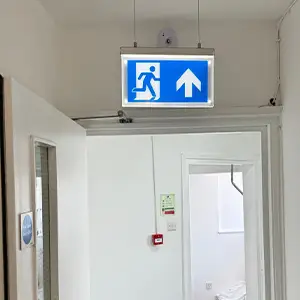
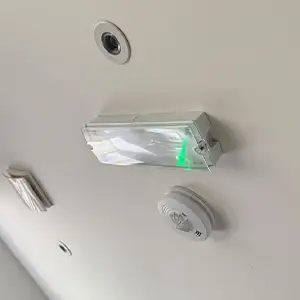
Emergency lighting equipment
Emergency lighting inspection detail

Need emergency lighting installation?

For new systems, upgrades or additional fittings, call us for the best price for your property.

Call for best price

📍Areas We Cover

Electrical and fire safety compliance across all 30 London boroughs.

  • Barking & Dagenham
  • Barnet
  • Bexley
  • Brent
  • Bromley
  • Camden
  • Croydon
  • Ealing
  • Greenwich
  • Hackney
  • Hammersmith & Fulham
  • Haringey
  • Harrow
  • Havering
  • Hillingdon
  • Hounslow
  • Islington
  • Kensington & Chelsea
  • Kingston upon Thames
  • Lambeth
  • Lewisham
  • Merton
  • Newham
  • Redbridge
  • Richmond upon Thames
  • Southwark
  • Sutton
  • Tower Hamlets
  • Waltham Forest
  • Westminster

We also cover nearby areas outside London — contact us to confirm.

Emergency lighting compliance

Why Emergency Lighting Testing Is Required

Emergency lighting protects escape routes when normal power fails. Regular testing creates the records needed to demonstrate that the system is ready when people need it.

  • ✓Required under the Regulatory Reform (Fire Safety) Order 2005
  • ✓Must comply with BS 5266-1
  • ✓Mandatory for relevant commercial premises, HMOs and communal areas
  • ✓Required as part of suitable Fire Risk Assessment arrangements
  • ✓Often required for insurance and licensing compliance
  • ✓Monthly functional tests and annual full-duration tests must be recorded
Keep the evidence together. Test records, fault notes, certificates and remedial actions should be retained in the property's fire safety records.
Emergency lighting testingPractical safety guidance

Emergency lighting testing London

Emergency Lighting Testing & Inspection - BS 5266 Compliant Services

Professional emergency lighting testing for landlords, HMOs, offices, shops, warehouses, communal areas and commercial premises, with clear records for audits, licensing and insurance.

What Is Emergency Lighting Testing?

Emergency lighting testing ensures escape-route lighting operates correctly during a power failure. Under BS 5266-1, relevant commercial premises, HMOs and buildings with communal areas must maintain working emergency lighting to support safe evacuation.

Testing checks automatic activation, battery duration, luminaire positioning and whether escape routes remain illuminated.

Why Emergency Lighting Matters

Emergency lighting supports safe exit if normal lighting fails, fire causes electrical disruption or smoke reduces visibility. It is an important part of the fire safety strategy for landlords, business owners and Responsible Persons.

What Our Emergency Lighting Testing Includes

A structured inspection with practical findings and documentation after the visit.

✓

Monthly function test

A short test to confirm each emergency luminaire operates correctly.

✓

Annual full-duration test

A full discharge test, usually around three hours, to check battery performance.

✓

Visual inspection

Checks for damaged fittings, blocked luminaires, missing signs and fault indicators.

✓

Battery and power supply

Review of charging, standby supply and power-unit operation.

✓

Logbook update

Tests, faults and remedial actions recorded in the fire safety logbook.

✓

Digital certificate

Clear documentation for compliance, HMO licensing, insurance and fire risk assessments.

Keep your emergency-lighting records ready

Retain function tests, annual duration results, faults, repairs and certificates together. Good records make audits, licensing checks and Fire Risk Assessment reviews easier.

BS 5266aligned service
Digitalcertificate records

Who Needs Emergency Lighting Testing?

Requirements depend on occupancy, escape routes, layout and the building's fire risk assessment.

Landlords and HMOs

Testing support for rental properties, HMOs and shared escape routes.

Commercial premises

Offices, shops, warehouses, restaurants, takeaways and public buildings.

Residential and mixed-use buildings

Blocks of flats, communal areas and buildings with commercial space below or beside residential accommodation.

How Often Should Testing Be Done?

Typical maintenance records include:

  • Monthly: functional test.
  • Annually: full-duration test.
  • Regularly: visual checks and fault reporting.
  • After changes: review coverage after layout or system alterations.

Common Emergency Lighting Types

We can test systems including:

  • Non-maintained emergency lights.
  • Maintained emergency lights.
  • Emergency bulkheads.
  • Twin-spot fittings and exit signs.
  • Emergency downlights.
  • Stairwell and corridor lighting.

Why Choose Our Emergency Lighting Service?

Practical appointments, straightforward reports and support for landlords, businesses and property managers.

Qualified testing engineers
Clear digital certificates
Free fire logbook where needed
Transparent pricing
Flexible London appointments
Combined fire alarm packages

Ready to arrange emergency lighting testing?

Select the number of lights, see the price and receive clear records after the visit.

Emergency lighting testing London

Emergency Lighting Testing - Frequently Asked Questions

Clear, practical answers about BS 5266 testing, certificates, logbooks and emergency-lighting compliance for landlords, HMOs and commercial premises.

14 questions

Testing, failures and records

01How often do I need emergency lighting testing?

Emergency lighting is typically tested monthly with a functional test and annually with a full-duration test, usually around three hours, under BS 5266 guidance and the Regulatory Reform (Fire Safety) Order 2005.

The annual test should be completed by a competent person, with a certificate and records retained for compliance and insurance purposes.

02What happens if emergency lights fail the test?

A failed fitting is recorded as non-compliant until the fault is resolved. You should receive a list of failed fittings, photos or defect details where useful, clear recommendations and a remedial quote for repair or replacement.

Until serious faults are resolved, the building may not provide the level of protection expected for its escape routes.

03Do you replace faulty emergency-lighting fittings?

We can discuss repair or replacement options for failed bulkheads, exit signs, emergency packs, batteries and LED modules. Remedial work should be suitable for the system and building, with the logbook updated after completion.

04Do I need a fire safety logbook?

Premises should keep reliable fire-safety records covering monthly functional tests, annual duration tests, remedial work, certificates and engineer visits. If you do not have a logbook, a digital version can help organise the evidence and maintenance history.

Responsibilities and property requirements

05What is the purpose of emergency lighting?

Emergency lighting keeps escape routes illuminated during a power failure, helping occupants leave safely. It is an important part of a fire-safety strategy and is required in many commercial, HMO and communal-area settings.

06Who is responsible for emergency lighting testing?

The Responsible Person, such as a landlord, business owner or property manager, must ensure emergency lighting is maintained and tested. Monthly checks may be completed in-house by a nominated person, while annual duration testing should be completed by a competent engineer.

07Do HMOs need emergency lighting?

Many HMOs require emergency lighting in escape routes, communal areas, stairwells and basements. Local councils may request testing evidence during licensing inspections. The exact requirement depends on the building's layout, occupancy and fire risk assessment.

08How long does the annual emergency lighting test take?

An annual visit often takes around 1 to 3 hours, depending on the number of luminaires, building size and access to all areas. The full-duration test runs for the required duration while the system is monitored.

09What types of emergency lighting do you test?

We can test non-maintained and maintained emergency lights, LED bulkheads, twin-spot fittings, illuminated exit signs, emergency downlights and emergency lighting in stairwells and corridors.

10What are common reasons emergency lights fail?

Common causes include battery degradation, damaged fittings, incorrect installation, poor maintenance and obstructed luminaires. Regular testing helps identify these issues before an emergency.

Certificates, combined visits and compliance

11Do you provide certificates after testing?

Yes. Each visit can include a digital certificate confirming the tests completed, system condition, faults found and relevant BS 5266 observations. This is useful for audits, licensing and insurance.

12Can you test fire alarms and emergency lighting on the same visit?

Yes, where the building scope and access are suitable. A combined visit can save time, reduce disruption and keep certificates current. Combined packages are available for HMOs and commercial properties.

13How do I know if my building needs emergency lighting?

If your building has communal areas, escape routes, stairwells, basements, commercial activity or staff working on site, emergency lighting may be required. A competent assessment can review the layout, occupancy and fire-safety arrangements.

14What happens if I do not test my emergency lighting?

Lack of testing can lead to non-compliance, insurance issues, increased evacuation risk, enforcement notices and failed HMO or commercial inspections. Regular records help demonstrate that the system is being maintained.

Need your emergency lighting tested?

Select the number of lights, see the price and receive clear records after the visit.

No questions match your search. Try a shorter phrase.


All inspections & installations follow official NICEIC safety standards.


Read more on the NICEIC website

Not Sure What You Need?

Tell us about the property and we’ll advise which inspection or certificate applies.


Speak to a NICEIC Approved Electrician

Explore Our Compliance Case Studies

Real-world inspections, upgrades, and risk assessments completed across London.


View Case Studies

Written & reviewed by

Written by:
Shashi Pal
Position:
NICEIC Approved QS
Qualification:
JIB Gold Card
Professional Membership:
Associate Member - IFSM (8946)

Last updated: 11 September 2026

Regulation References

  • Emergency lightingBS 5266-1:2016 - Code of practice for the emergency lighting of premises
  • Fire safetyRegulatory Reform (Fire Safety) Order 2005
  • Escape route signageHealth and Safety (Safety Signs and Signals) Regulations 1996
  • Lighting applicationsBS EN 1838:2013
  • Emergency luminairesBS EN 60598-2-22
  • Fire risk guidanceHM Government fire risk assessment guidance

Safety & Compliance Disclaimer:

Emergency lighting systems must only be inspected, tested, repaired or installed by a competent and qualified person.

The information on this page is provided for general guidance and should not be used as a substitute for a professional assessment.

Compliance with BS 5266, the Regulatory Reform (Fire Safety) Order 2005 and all relevant fire safety legislation is the responsibility of the duty holder.

For accurate advice specific to your property, please consult a certified engineer or book a formal inspection.